Skip to product information
1 of 1

Caplugs® Evergreen

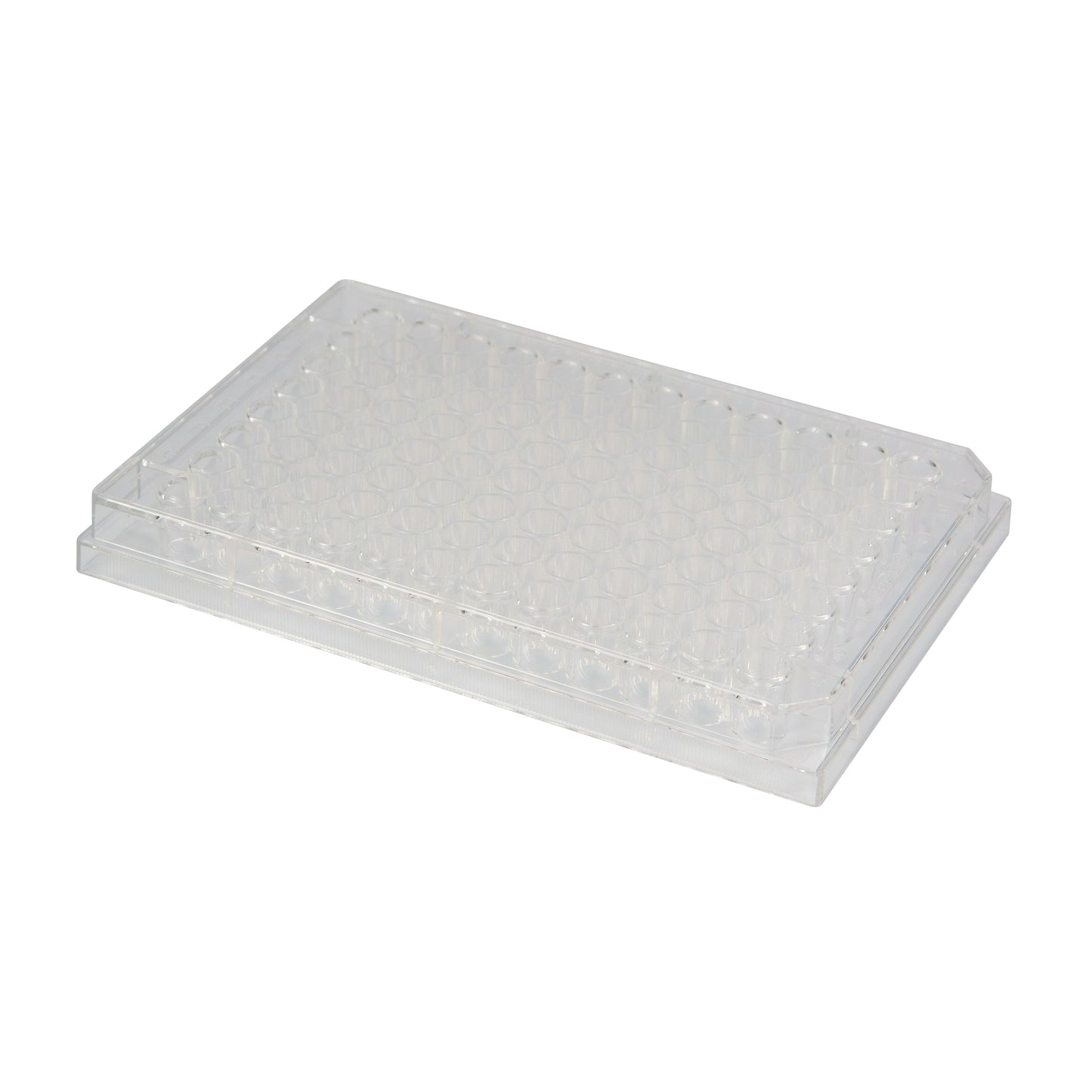
Microplates, PET, Natural — 290-8121-010 | 10/Box | Caplugs® Evergreen

Microplates, PET, Natural — 290-8121-010 | 10/Box | Caplugs® Evergreen

Regular price $112.61
Regular price Sale price $112.61
Sale Sold out
Shipping calculated at checkout.
View full details

96-Well Open-Bottom Microplate Frame, Polystyrene, Natural — SBS/ANSI Footprint (290-8121-010)

These 96-well open-bottom polystyrene microplates provide an SBS/ANSI-standard footprint frame in which every well is open at the base — there is no well floor — allowing direct physical, optical, or electrical contact between well contents and any surface bonded or positioned beneath the plate. Supplied non-sterile in 10/Box (100/Case), part number 290-8121-010 is the enabling platform format for membrane insert assays, surface plasmon resonance detection, electrochemiluminescence, TIRF imaging, and custom surface integration workflows. The natural (transparent) polystyrene frame maintains full compatibility with standard liquid handlers, plate readers, and plate washers that address wells by position, so labs gain open-bottom flexibility without abandoning their existing automation infrastructure.

Technical Specifications

Specification Value
Part Number (MPN) 290-8121-010
Well Format 96-well, SBS/ANSI standard footprint
Bottom Type Open — no well floor; bottom of all 96 wells is open
Material Polystyrene (PS)
Color Natural (transparent frame)
Sterility Non-Sterile
Pack Size 10/Box (100/Case)
BPA / Phthalates BPA-free; no phthalate plasticizers
Country of Origin USA (California)

Applications

  • Membrane filter inserts (Boyden / Transwell-style assays): The open bottom accepts porous membrane inserts — PET, polycarbonate, or PTFE — enabling cell migration and invasion assays in a standard 96-well format.
  • Surface plasmon resonance (SPR): The open base allows direct contact between well contents and a sensor chip or functionalized surface for plate-format SPR detection workflows.
  • Electrochemiluminescence (MSD / Meso Scale Discovery): Direct electrode contact with well contents requires an open-bottom geometry; these frames are compatible with electrode-array detection platforms such as the MSD Sector Imager.
  • Total internal reflection fluorescence (TIRF) imaging: The bottomless well geometry allows the objective or optical element to access the underside of each well, a prerequisite for evanescent-field imaging.
  • Custom surface integration: Antibody coating, bead immobilization, gold sensor film deposition, and microfluidic interfacing are all enabled by the open bottom where standard solid-floor plates cannot provide the necessary underside access.

Compatibility

Because the plate frame conforms to the SBS/ANSI 96-well standard footprint, it seats correctly in automated liquid handlers, plate readers, and plate washers designed for standard microplates. The open bottom is compatible with standard 96-well membrane insert bases and filter assemblies for transwell-style workflows, and the well geometry accommodates sensor chip surfaces used in Biacore- and ProteOn-style plate-format SPR systems as well as electrode arrays for MSD Sector Imager electrochemiluminescence detection.

Chemical Resistance

Reagent / Condition Compatibility
Aqueous buffers, saline, cell culture media Excellent
Dilute acids and bases Good — short-term contact
Ethanol (<70%) Limited — brief contact only; evaluate before use
Acetone Not recommended
Chlorinated solvents (chloroform, DCM) Not recommended
Aromatic solvents (toluene, xylene) Not recommended
Autoclaving Not recommended — PS is not autoclavable

Quality & Procurement

Made in USA (California), these Caplugs® Evergreen microplates are produced from BPA-free, phthalate-free polystyrene resin. LabSupplies.com is an authorized Caplugs® Evergreen dealer shipping from USA inventory, with tiered case pricing available for high-throughput programs and institutional purchasing agreements.

Frequently Asked Questions

What makes an open-bottom plate different from a standard microplate?
A standard 96-well microplate has a solid floor sealing the base of each well. These plates have no well floor at all — every well is open at the bottom — so a membrane, sensor surface, electrode array, or optical element can make direct contact with the well contents from beneath.

Can these plates be used with standard liquid handlers and plate readers?
Yes. The SBS/ANSI-standard footprint means the frame positions and seats correctly in automation platforms designed for standard 96-well plates. Optical read modes that require a solid well bottom (e.g., absorbance bottom-read) are not applicable, but top-read and side-illumination modes, as well as automated liquid dispensing by well position, work normally.

Are these plates sterile?
No — they are supplied non-sterile. If sterility is required for your membrane insert or cell migration workflow, surface decontamination with 70% ethanol followed by UV exposure, or use within a laminar flow cabinet, is the typical approach; confirm that your specific protocol is compatible with polystyrene before applying any solvent treatment.

What membranes or surfaces can be bonded to the open bottom?
The open bottom is designed to accept porous membranes (PET, polycarbonate, PTFE) for transwell-style assays, gold or functionalized sensor films for SPR, electrode arrays for electrochemiluminescence detection, and custom-coated surfaces for antibody or bead immobilization workflows. Bonding method and surface chemistry are determined by the end user's assay requirements.

Questions | Support?