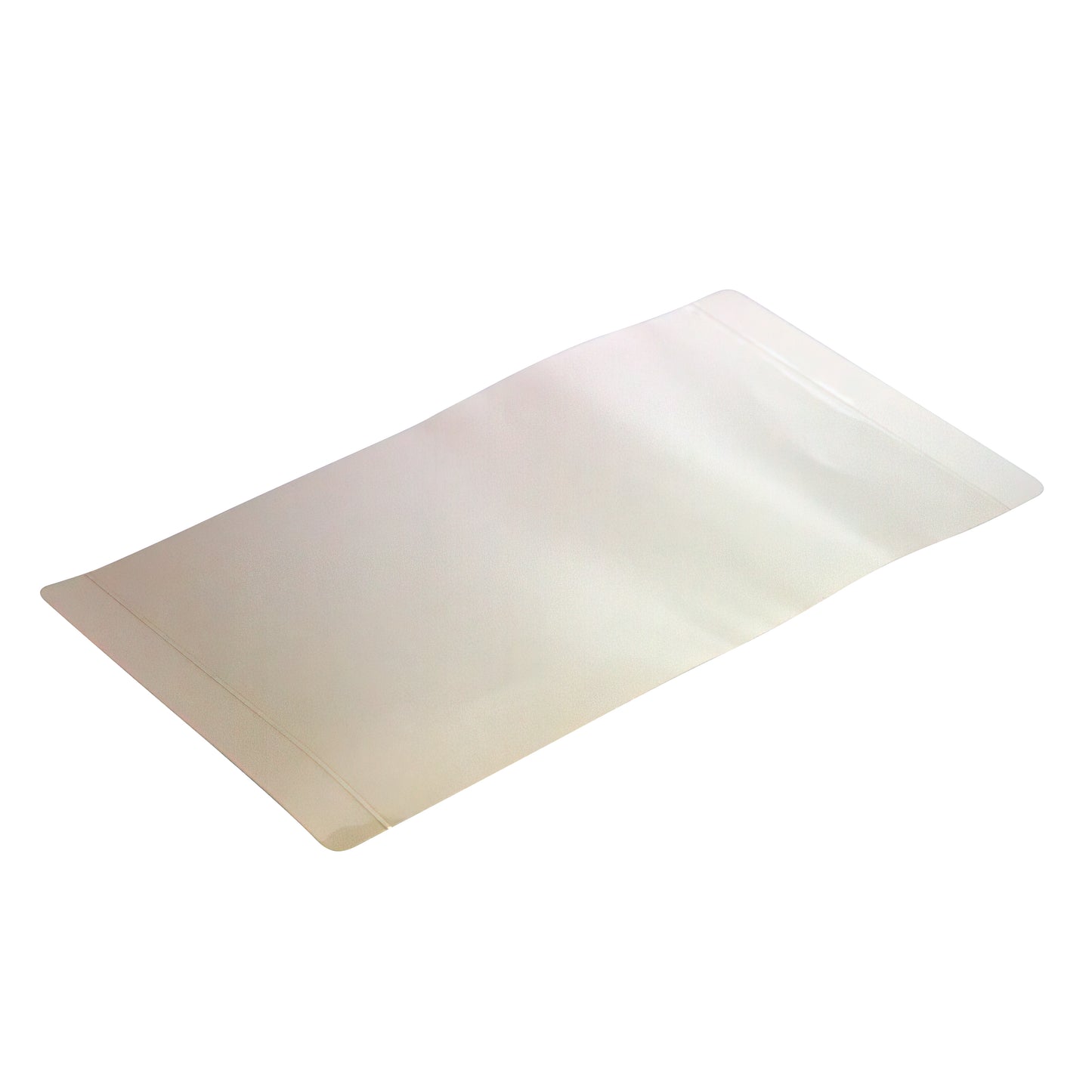

EZ-Seal™ Acrylic Adhesive Microplate Sealing Film — Inert Polyester (PET), Clear, 100/Bag (290-8200-MIC)
The Caplugs® Evergreen EZ-Seal™ microplate sealing film is an inert polyester (PET) adhesive film with a pressure-sensitive acrylic adhesive designed for hermetic sealing of standard 96-well and 384-well SBS-footprint microplates. Supplied clear and optically transparent, part number 290-8200-MIC is rated for PCR thermocycling temperatures and is fully compatible with DMSO at all concentrations, making it equally at home in high-throughput drug discovery compound libraries and routine molecular biology workflows. Each bag contains 100 seals, and no heat applicator is required — simply apply manual pressure from center to edges for a tight, residue-free seal.
Technical Specifications
| Specification | Value |
|---|---|
| Part Number (MPN) | 290-8200-MIC |
| Sub-Brand | EZ-Seal™ (Caplugs® Evergreen) |
| Film Material | Inert Polyester (PET) |
| Adhesive Type | Acrylic — pressure-sensitive, peel-off removal |
| Color | Clear (optically transparent) |
| Plate Compatibility | Standard 96-well and 384-well SBS-footprint microplates |
| PCR Compatibility | Rated for PCR thermocycling temperatures up to ~100°C |
| DMSO Compatibility | Compatible at all concentrations |
| Sterility | Non-Sterile |
| Pack Size | 100/Bag |
| Country of Origin | USA (California) |
Applications
- PCR and qPCR plate sealing: The optically transparent PET film allows fluorescence detection through the seal during real-time PCR thermocycling on top-read instruments, eliminating the need to remove the seal before reading.
- ELISA incubation sealing: Secures antibody-coated plates during overnight incubations at 4°C, preventing evaporation and airborne contamination without leaving adhesive residue on plate flanges.
- Compound library and DMSO plate storage: The inert polyester construction resists DMSO at all concentrations, making these films the reliable choice for sealing compound library plates in drug discovery and high-throughput screening programs.
- Biobank and long-term archive plates: The strong acrylic adhesive maintains a hermetic seal during extended cold-storage conditions, protecting sample integrity in biorepository applications.
- Sample plate transport: Prevents spillage and cross-contamination when sealed plates are moved between instruments, incubators, or facilities.
Compatibility
These EZ-Seal™ films are designed for standard SBS-footprint 96-well and 384-well microplates and have been formulated for use with top-read optical detection qPCR instruments including the Bio-Rad CFX, Applied Biosystems QuantStudio, and Roche LightCycler series. The clear polyester film does not interfere with fluorescence detection during thermocycling, making it a practical alternative to dedicated optical adhesive films for these platforms. The residue-free acrylic adhesive peels cleanly from polystyrene (PS), polypropylene (PP), and acrylic plate surfaces, eliminating adhesive carry-over that could interfere with subsequent plate reader operations.
Chemical Resistance
| Reagent / Condition | Compatibility |
|---|---|
| DMSO (all concentrations) | Excellent — inert polyester fully resistant |
| Aqueous buffers / saline | Excellent |
| Dilute acids and bases | Good |
| PCR thermocycling (~100°C) | Rated compatible |
| Chlorinated / aromatic solvents | Limited — not recommended for extended contact |
Quality & Procurement
Made in USA (California), EZ-Seal™ 290-8200-MIC sealing films are produced under the Caplugs® Evergreen quality program. The inert polyester film and acrylic adhesive are free from residue-generating additives that could contaminate sensitive assay surfaces. LabSupplies.com is an authorized Caplugs® Evergreen dealer and ships from USA inventory.
Frequently Asked Questions
Do these sealing films require a heat applicator or roller tool?
No — the pressure-sensitive acrylic adhesive bonds with manual pressure alone. Apply the film from the center outward to the plate edges to achieve a consistent hermetic seal without any specialized equipment.
Can these films be used for real-time PCR (qPCR) on instruments like the Bio-Rad CFX or Roche LightCycler?
Yes. The clear polyester film is optically transparent and rated for PCR thermocycling temperatures, allowing top-read fluorescence detection through the seal on compatible qPCR instruments without removing the film before reading.
Are these films compatible with DMSO-containing compound plates?
Yes. The inert polyester (PET) construction resists DMSO at all concentrations, which is the critical requirement for sealing compound library plates in drug discovery workflows where standard polyolefin or polypropylene films may degrade or allow DMSO permeation.
Will the adhesive leave residue on my microplates after peeling?
The acrylic adhesive is formulated for residue-free removal from polystyrene, polypropylene, and acrylic plate surfaces. This makes these seals suitable for workflows where the same plate is read multiple times or where adhesive contamination of well contents would compromise assay results.