

Lab Storage & Safety Guide: Compliance & Best Practices
Lab storage and safety compliance is the area every lab manager knows matters — and the one most likely to be held together with expired SOPs and a prayer before the next inspection. After working with labs across research, clinical, and academic settings, we've seen the same failures repeat: incompatible chemicals stored side-by-side, sharps containers filled past the line, PPE that doesn't match the hazard, and labels that fall off the moment they hit a freezer.
This guide is the page you print and tape to the wall. It covers OSHA regulation numbers, exact storage rules, PPE selection matrices, and the products that solve each requirement — so you're not scrambling the week before an audit.
Chemical Storage Rules: OSHA 29 CFR 1910.106 Summary
Chemical storage isn't about putting things on shelves. It's about keeping incompatible chemicals apart so they don't react, ignite, or generate toxic fumes. OSHA's standard on flammable and combustible liquids (29 CFR 1910.106) sets the baseline, and NFPA 45 (Standard on Fire Protection for Laboratories) adds lab-specific requirements.
The 6 Chemical Segregation Groups
Never store chemicals from different groups together. If a shelf collapses or a bottle breaks, you don't want acids mixing with bases or oxidizers contacting organics.
| Group | Examples | Keep Away From |
|---|---|---|
| Flammables | Ethanol, methanol, acetone, toluene, hexane | Oxidizers, acids, heat sources |
| Oxidizers | Hydrogen peroxide, potassium permanganate, nitric acid (concentrated) | Flammables, organics, reducing agents |
| Corrosive Acids | HCl, H₂SO₄, HNO₃, acetic acid | Bases, oxidizers, flammables |
| Corrosive Bases | NaOH, KOH, ammonium hydroxide | Acids, metals, oxidizers |
| Water-Reactive | Sodium metal, lithium, calcium hydride | Water, aqueous solutions, humid areas |
| Toxic / Health Hazards | Formaldehyde, mercury compounds, cyanides | Store in ventilated, locked area with restricted access |
Flammable Storage Limits
OSHA limits the quantity of flammable liquids that can be stored outside an approved flammable storage cabinet. The specifics depend on your fire protection class, but as a practical rule: keep no more than 10 gallons of flammable liquids on open shelving per 100 square feet of lab space. Anything beyond that goes in a rated flammable cabinet.
GHS Labeling Requirements
Every chemical container in your lab must have a GHS-compliant label with: product identifier, signal word (Danger or Warning), hazard statements, pictograms, precautionary statements, and supplier identification. Secondary containers (anything you pour a chemical into from its original bottle) need at minimum the product name and the applicable hazard pictogram.
SDS Management
Safety Data Sheets must be accessible to every employee during every shift. "Accessible" means within seconds — not locked in a filing cabinet. Digital SDS systems work, but keep a printed backup binder in case the network goes down during an emergency. OSHA requires SDSs for every hazardous chemical in the workplace, and they must be the most current version from the manufacturer.
Store your chemicals safely with proper reagent bottles — borosilicate glass for acids and solvents, HDPE for bases and aqueous solutions.
Biohazard Waste Management: Categories, Containers & Disposal
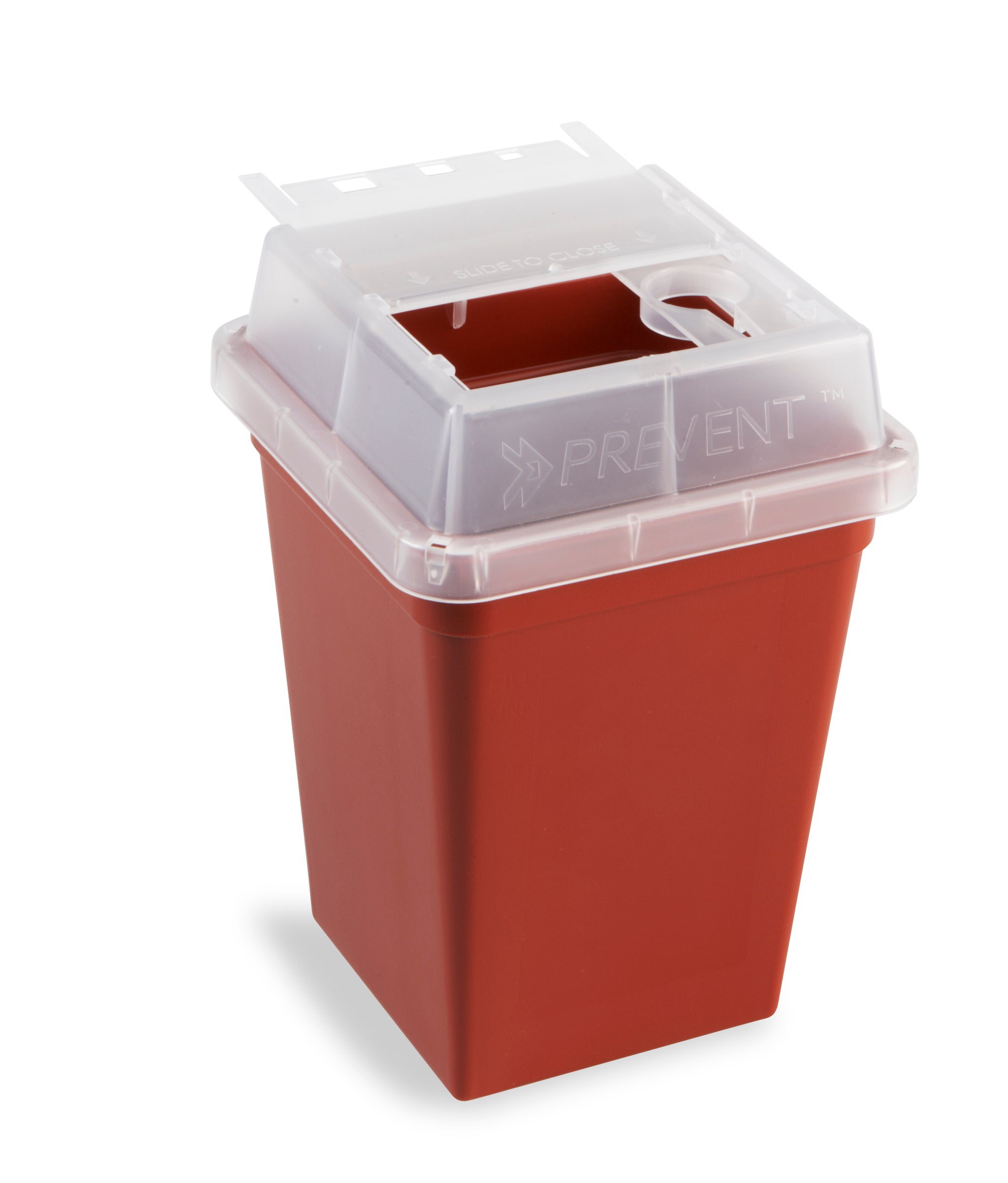
Biohazard waste containers — proper containment is the first line of defense in lab safety and OSHA compliance
Regulated medical waste isn't just "stuff that touched blood." The categories are specific, and mixing them up creates compliance violations, disposal cost overruns, and safety hazards.
Waste Categories and Bag Color Coding
| Bag/Container Color | Contents | Regulatory Basis |
|---|---|---|
| Red | Biohazardous waste: blood, OPIM (other potentially infectious materials), contaminated sharps, pathological waste | OSHA 29 CFR 1910.1030 |
| Yellow | Chemotherapy / trace chemo waste, some institutional policies use for isolation waste | EPA / state-specific regulations |
| Black / Clear | General lab waste (non-regulated, non-hazardous) | Institutional policy |
The most expensive mistake: Putting general trash in red biohazard bags. Regulated medical waste disposal costs 5–10x more per pound than regular waste. Every non-biohazardous item in a red bag is money burned. Train your staff: if it didn't contact blood, OPIM, or a listed pathogen, it goes in the regular trash.
Autoclave Validation for On-Site Treatment
If your institution autoclaves biohazard waste before disposal as regular trash, you need validation records. This means biological indicator (BI) testing — typically Geobacillus stearothermophilus spore strips placed inside a representative waste load. Run BI tests at least weekly (some states require every load). Keep records for a minimum of 3 years.
Browse our biohazard & waste management collection — sharps containers, biohazard bags, and disposal supplies.
Sharps Disposal: OSHA 29 CFR 1910.1030 (Bloodborne Pathogens)
The Bloodborne Pathogens Standard is one of OSHA's most frequently cited regulations. Sharps disposal violations are common because labs underestimate what counts as a "sharp" and where containers need to be placed.
What Counts as a "Sharp"? (It's More Than Needles)
Under OSHA's definition, a contaminated sharp is any object that can penetrate the skin and has been exposed to blood or OPIM. The full list includes:
- Needles (hypodermic, suture, blood collection)
- Syringes with attached needles
- Scalpel blades and disposable scalpels
- Broken glass that contacted blood or OPIM
- Lancets and finger-stick devices
- Contaminated broken capillary tubes
- Razor blades used for tissue sectioning
- Exposed ends of dental wires
- Contaminated Pasteur pipettes (glass)
That last one catches labs off guard. A glass Pasteur pipette used to aspirate a blood sample is a regulated sharp — it goes in the sharps container, not the broken glass box.
OSHA's 5 Container Requirements
Per 29 CFR 1910.1030(d)(4)(iii)(A), sharps containers must be:
- Closable — must have a lid that can be secured
- Puncture-resistant — a cardboard box doesn't qualify
- Leak-proof on sides and bottom — in case contents include liquid
- Labeled — with the biohazard symbol
- Color-coded red — or fluorescent orange-red with the biohazard label
The Fill Line Rule
Replace sharps containers when they reach the ¾ fill line — never the top. Overfilled containers are the #1 cause of needlestick injuries during disposal. Mark the replacement schedule on the container with a date opened, and set a standing order so you're never caught without empties.
The One-Hand Rule
OSHA prohibits two-hand recapping of needles (29 CFR 1910.1030(d)(2)(vii)(A)). If recapping is necessary, use the one-hand scoop technique: lay the cap on a flat surface, slide the needle into it, then press against the surface to secure. Better yet, use self-sheathing safety needles or needle removal devices that eliminate recapping entirely.
Sample Storage Architecture: Organizing for Efficiency and Safety

Cardboard freezer boxes with grid dividers — organized storage for -20°C and -80°C freezers. Polycarbonate versions handle liquid nitrogen temps.
A disorganized freezer isn't just annoying — it's a scientific risk. Every time you open a -80°C freezer to dig for a sample, the temperature spikes. Repeated warming cycles degrade everything inside. A well-organized storage system means faster retrieval, shorter door-open times, and better sample integrity.
Freezer Boxes
Match the box material to the temperature:
| Material | Temp Rating | Pros | Cons | Best For |
|---|---|---|---|---|
| Cardboard | -20°C to -80°C | Cheap, writable, recyclable | Absorbs moisture, degrades over time | General freezer storage, short-to-medium term |
| Polycarbonate | -196°C (LN2 safe) | Durable, waterproof, transparent | Higher cost | Liquid nitrogen storage, long-term archival |
| Polypropylene | -80°C to 121°C | Autoclavable, chemical resistant | Opaque | Autoclave-compatible workflows |
Grid dividers (typically 9×9 = 81 positions or 10×10 = 100 positions) keep vials organized and prevent them from rattling loose. Label each box with contents, date, investigator initials, and storage location (freezer number, shelf, position).
Browse our freezer boxes — cardboard and polycarbonate options with dividers included.
Tube Racks
Tube racks seem simple, but the wrong rack wastes bench space and drops tubes. Key types: universal racks with multi-diameter holes (hold 0.5mL through 50mL tubes in one rack), floating racks for water baths (keep tubes upright during incubation), and stackable racks for freezer organization.
Browse tube racks.
Slide Storage
Microscope slide storage matters most in histology and pathology labs where slides are archival records. Slide boxes (25, 50, or 100 capacity), slide mailers for transport, and slide cabinets for long-term storage. Archival slides should be stored flat in a climate-controlled area to prevent mounting media deterioration.
Browse slide storage.
Specimen Collection & Transport
Transporting biological specimens between facilities requires triple packaging per IATA and DOT regulations: primary container (the specimen tube or cup), secondary container (leak-proof bag or canister), and rigid outer packaging. Maintain cold chain with gel packs or dry ice as appropriate. Document chain of custody at every handoff point.
Browse specimen collection & transport.
PPE Essentials: What OSHA 29 CFR 1910.132 Actually Requires
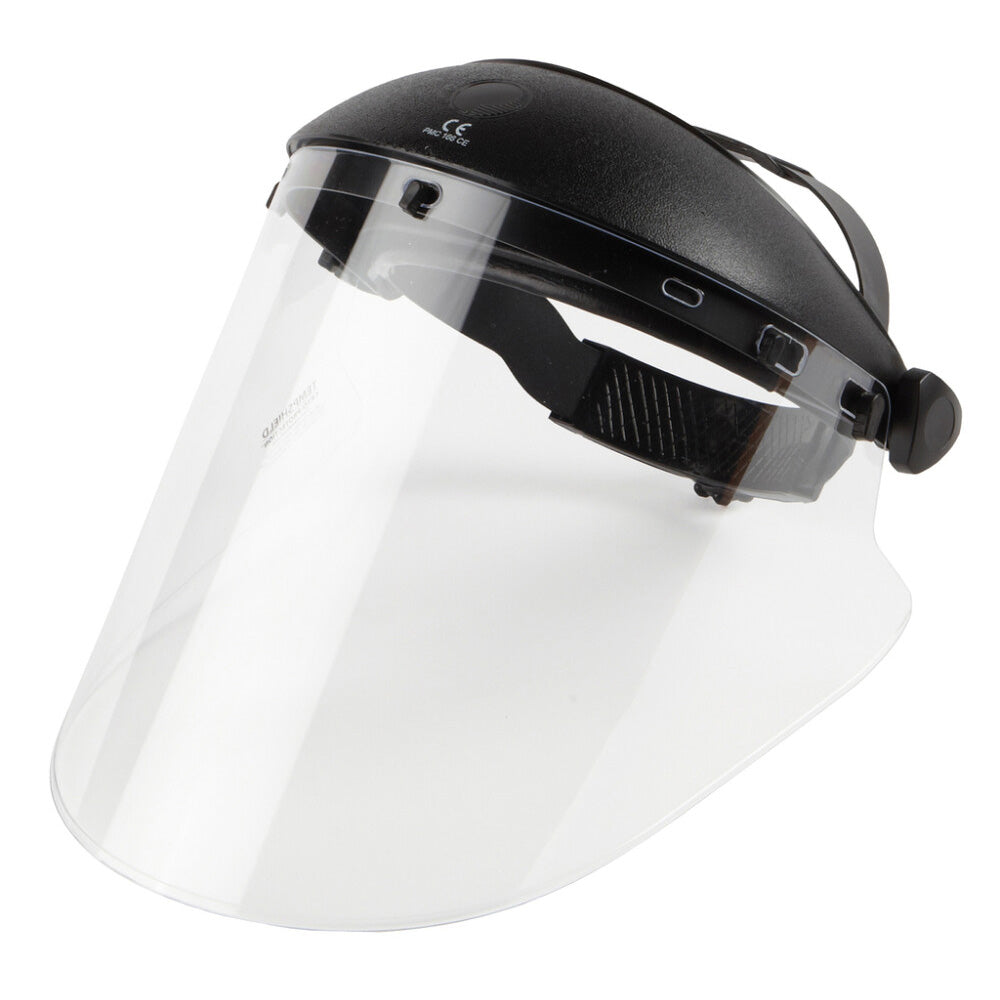
Lab PPE — OSHA requires employers to assess hazards and provide appropriate protective equipment at no cost to employees
OSHA's General PPE standard (29 CFR 1910.132) requires employers to perform a hazard assessment, select appropriate PPE, train employees on proper use, and provide the equipment at no cost. "We have gloves in the supply closet" doesn't satisfy the standard — you need documented hazard assessments and documented training.
Glove Selection Matrix
This is the table that should be posted next to your glove box. The wrong glove material provides zero protection and a false sense of security.
| Chemical Type | Nitrile | Latex | Neoprene | Butyl Rubber |
|---|---|---|---|---|
| Dilute acids/bases | ✅ | ✅ | ✅ | ✅ |
| Concentrated acids | ✅ | ⚠️ | ✅ | ✅ |
| Organic solvents (acetone, toluene) | ⚠️ (limited time) | ❌ | ⚠️ | ✅ |
| Chlorinated solvents (DCM, chloroform) | ❌ | ❌ | ⚠️ | ✅ |
| Biological samples (blood, OPIM) | ✅ | ✅ | ✅ | Overkill |
| Aldehydes (formaldehyde, glutaraldehyde) | ⚠️ (double-glove) | ❌ | ✅ | ✅ |
The default recommendation for most labs: Nitrile exam gloves for routine work with aqueous solutions, biological samples, and dilute chemicals. They're latex-free (no allergy concerns), offer good tactile sensitivity, and cost less than specialty gloves. Switch to butyl rubber when handling organic solvents or chlorinated compounds — nitrile breaks through in minutes with aggressive solvents.
Eye Protection Hierarchy
OSHA requires eye protection based on hazard level, not personal preference:
- Safety glasses (with side shields): Minimum for any lab work. Protects against impact from flying particles. Does NOT protect against splashes.
- Chemical splash goggles: Required when handling liquid chemicals that could splash. Creates a seal around the eyes. This is the standard for wet chemistry.
- Face shield + goggles: Required for high-splash-risk work (vacuum distillation, large-volume acid transfers, cryogenic liquid handling). A face shield alone is not eye protection — it must be worn over goggles.
Lab Coats
Reusable cotton/poly blend: Standard for general lab work. Laundered by the institution (never taken home). Flame-resistant versions required when working with pyrophoric materials or open flames.
Disposable: Used in cleanrooms, BSL-3+ facilities, and contamination-sensitive work. Changed between procedures or when contaminated. More expensive per wear but eliminates laundry logistics.
Browse our Safety & PPE collection — gloves, eyewear, and protective equipment at LabSupplies.com.
Lab Labels That Survive Autoclaves, Freezers & Solvents

Lab labels and tape — choose materials rated for your storage conditions, or you'll lose sample identity when it matters most
Most labs learn this lesson the hard way: you label 200 cryovials with a Sharpie, freeze them to -80°C, and six months later the ink has smudged off every one. Or you autoclave media bottles and the paper labels dissolve into paste. Labeling is a storage and safety issue, not an afterthought.
Label Materials by Application
| Application | Label Material | Adhesive Type | Survives |
|---|---|---|---|
| Cryogenic storage (-80°C to -196°C) | Polyester or vinyl (CryoLabels) | Cryo-grade acrylic | LN2, -196°C, frost, moisture |
| Autoclave (121°C, steam) | Polyester or nylon | High-temp acrylic | 121°C, 15–30 min steam, moisture |
| Chemical/solvent exposure | Polyester with chemical-resistant overlaminate | Solvent-resistant | Xylene, ethanol, acetone, IPA |
| General room-temp storage | Paper or vinyl | Standard permanent | Room temp, dry conditions |
Printing Methods
Thermal transfer printing is the gold standard for lab labels — the resin ribbon creates a permanent, smudge-proof, chemical-resistant print. Direct thermal is cheaper but fades with heat and light exposure. Laser printing works for room-temp paper labels but the toner flakes off in freezers. Handwritten (solvent-resistant markers like Sharpie Extreme or cryo-markers) works in a pinch but isn't GMP/GLP compliant for clinical or regulatory work.
Color-Coding Systems
Color-coded labels and tape speed up identification and reduce errors. Common systems: color by investigator (each person gets a color), by sample type (blood = red, urine = yellow, tissue = green), or by date (rotating quarterly colors for expiration tracking). Pick a system and enforce it lab-wide — an inconsistent color code is worse than no code at all.
Browse our labels & tape collection at LabSupplies.com.
Frequently Asked Questions
How often does OSHA require lab safety inspections?
OSHA doesn't mandate a specific inspection frequency, but best practice is monthly self-inspections plus an annual comprehensive audit. Many institutions require quarterly inspections. Document every inspection with dates, findings, and corrective actions — OSHA inspectors will ask for these records.
Can I store acids and bases in the same cabinet?
No. Acids and bases must be segregated. If a bottle breaks and they mix, the reaction generates heat, potentially boils, and can produce toxic fumes. Use separate cabinets or separate shelves with secondary containment trays between groups. Some corrosive storage cabinets have separate compartments for acids and bases.
How full should a sharps container be before replacing it?
Replace at the ¾ fill line — never the top. Overfilled sharps containers are the leading cause of needlestick injuries during disposal. Mark the date opened on each new container and set a standing reorder so you always have replacements on hand.
What PPE do I need for handling formaldehyde?
At minimum: nitrile gloves (double-glove recommended — formaldehyde permeates single nitrile in under 30 minutes), chemical splash goggles, lab coat, and work in a functioning fume hood. OSHA's formaldehyde standard (29 CFR 1910.1048) sets a permissible exposure limit of 0.75 ppm TWA and 2 ppm STEL. If your lab uses formaldehyde regularly, you may need air monitoring and a written exposure control plan.
Do I need different labels for -80°C vs liquid nitrogen storage?
Standard cryo-labels rated to -80°C will work for mechanical freezers. But liquid nitrogen (-196°C) requires labels specifically rated for LN2 immersion — the adhesive must withstand both the extreme cold and potential contact with liquid nitrogen. Always apply cryo-labels at room temperature before freezing the sample; adhesive applied to already-frozen surfaces won't bond properly.
Build a Safer, Better-Organized Lab
Lab safety and storage isn't a one-time setup — it's an ongoing system. The chemicals need proper segregation. The sharps containers need timely replacement. The PPE needs to match the actual hazard, not just be the cheapest glove available. And the labels need to survive the conditions you're storing samples in.
As an authorized dealer for Globe Scientific and Heathrow Scientific, we carry the storage, safety, and organizational supplies that keep your lab compliant and efficient. Reach out at support@labsupplies.com if you need help speccing a storage system or building a consumables order.
Starting a new lab? Our LaunchLab program gives you 15% off everything for 12 months — including freezer boxes, biohazard supplies, PPE, labels, racks, and every safety product on this page. See if you qualify →
Ready to upgrade your lab's storage and safety? Browse our collections: biohazard & waste · safety & PPE · freezer boxes · tube racks · slide storage · specimen transport · lab trays · labels & tape — authorized dealer pricing, ships from the USA.
— By the LabSupplies.com Technical Team